Choosing a racing communication radio with headset is about more than getting a loud speaker and a microphone. In motorsports, you need reliable clarity, secure fit, and gear that works in high-noise environments.
This roundup focuses on options that balance comfort, noise reduction, and device compatibility so teams, drivers, and race fans can stay connected without guesswork.
Best 10 Racing Communication Radio with Headset Picks for 2026
Rugged track-ready headset
Rugged H41 Behind-the-Head Racing Headset

- 24 dB NRR hearing protection
- Noise-canceling dynamic mic
- 3.5 mm input for scanner or phone
Best For: Single-rider racing comms with hearing protection
Motorola-focused race headset
Arrowmax Gel Pad Motorola Race Headset
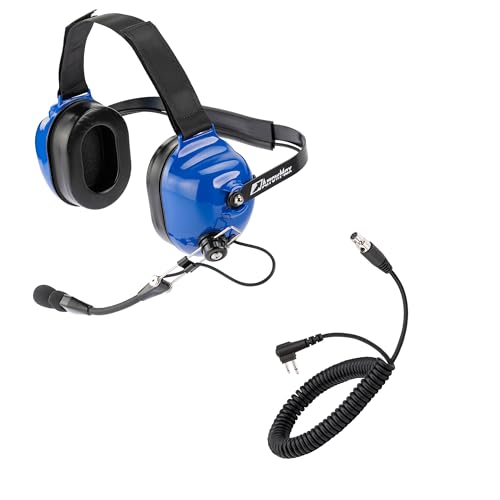
- 23 dB passive noise reduction
- Cooling gel-foam ear pads
- Hybrid noise-canceling mic
Best For: Motorola radio teams needing comfort and track noise reduction
Dual-headset race bundle
Rugged H80 Linkable Headset Pair

- Two linkable H80 headsets included
- 24 dB NRR with gel ear seals
- Push-to-talk and scanner input support
Best For: Pairs and small groups at the track
Listen-Only Track Side Pick
Rugged NASCAR Over The Head Headset

- 3.5mm scanner input for compatible radios and scanners
- Over-the-head, on-ear design with volume control
- Listen-only setup for race day monitoring
Best For: Race fans monitoring scanners and driver communications
Crew Chief Radio Pick
Rugged Radios Single Side Headset

- 5-pin universal port for compatible racing radios
- Boom mic and push-to-talk support team communication
- Adjustable side pad for crew and pit use
Best For: Crew chiefs, spotters, and race team support
ANC Overhead Racing Headset
Retevis Noise Cancelling Overhead Headset
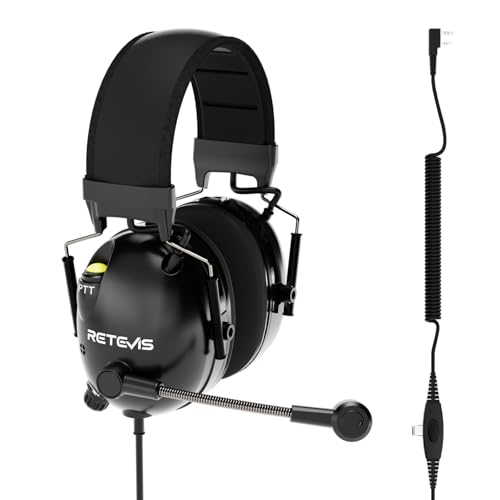
- Active noise cancellation with transparent mode
- Over-ear comfort for long sessions
- Easy ANC switch and volume control
Best For: Racetrack crews and field users who want noise reduction with awareness
Helmet Ride Communication Set
Baofeng Rugged Helmet Headset with PTT
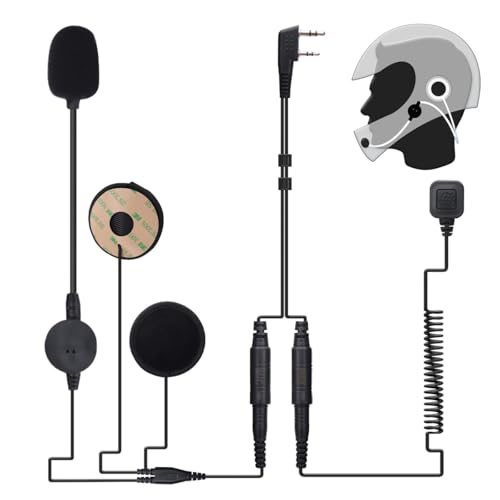
- Ultra-thin headset fits flat inside a helmet
- Finger PTT mounts to the handlebar
- Adjustable mic for clearer voice pickup
Best For: Motorcycle riders who want simple helmet-mounted push-to-talk communication
Behind-the-Head Racing Headset
Retevis ANC Behind-the-Head Track Headset
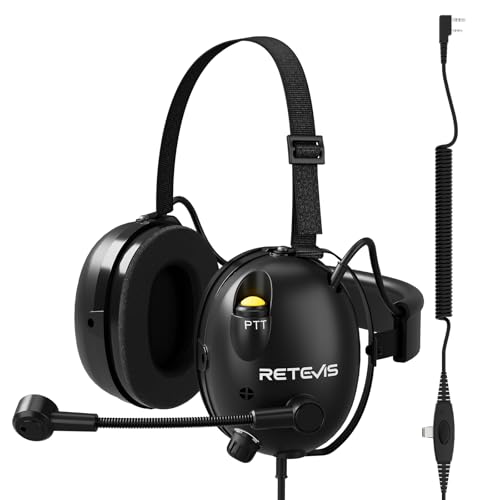
- Triple-layer noise reduction with transparent mode
- Dual PTT buttons for flexible control
- Behind-the-head fit designed for rough use
Best For: Racers and off-road drivers who want flexible PTT access and awareness
Rugged track-ready headset – Rugged H41 Behind-the-Head Racing Headset
If you need a racing communication radio with headset setup that can handle track noise and still stay comfortable, this Rugged Radios H41 bundle is built for that job. It pairs a behind-the-head headset with an adaptor cable for compatible two-way radios, and it adds a clear audio path, a noise-canceling mic, and hearing protection for long sessions.
Best For: Drivers and crew who want a behind-the-head racing headset for clear radio communication and hearing protection.
Pros:
- 24 dB NRR helps reduce track noise while you communicate.
- Dynamic noise-canceling microphone supports clearer transmissions.
- Built-in 3.5 mm input can connect to a phone, scanner, or race receiver.
- Adjustable volume control is built into the right ear cup.
Cons:
- Designed around compatible two-way radios and 5-pin universal radio ports.
- Single-headset package, so it is not a multi-person bundle.
Overall, this is a practical pick if you want a rugged, track-friendly headset with strong compatibility and straightforward controls. It leans more toward communications and hearing protection than extra features, which is exactly what many racing setups need.
Motorola-focused race headset – Arrowmax Gel Pad Motorola Race Headset
This racing communication radio with headset is aimed at Motorola users who want comfort, noise reduction, and clean voice pickup on the track. The Arrowmax Racetrack headset combines gel ear pads with a hybrid noise-canceling microphone and a switchable 5-pin cable, making it a solid option for race crews using supported Motorola commercial and retail radios.
Best For: Motorola radio users who want a comfortable racing headset with passive noise reduction and a scanner jack.
Pros:
- 23 dB passive noise reduction helps block track and engine noise.
- Premium gel-foam ear pads add cooling comfort for longer use.
- Hybrid noise-canceling microphone is designed for clearer voice transmission.
- Built-in scanner jack adds extra audio input options.
Cons:
- Not compatible with Kenwood, Baofeng, Cobra, or Midland radios.
- Not water resistant.
For Motorola-based teams, this headset delivers a useful mix of comfort and race-focused communication features. It is less universal than some alternatives, but for the right radio ecosystem it covers the core needs well.
Dual-headset race bundle – Rugged H80 Linkable Headset Pair
If you want a racing communication radio with headset setup for a group, this Rugged Radios pair is built around shared conversation and scanner listening. The bundle includes two linkable H80 headsets, a link cable, and a scanner connect cable, so you can keep multiple people talking without needing a separate intercom.
Best For: Race fans and small groups who want a dual-headset setup for talking and scanner audio.
Pros:
- Includes two linkable headsets for group communication.
- Built-in push-to-talk button on the right ear cup.
- 24 dB NRR helps reduce outside track noise.
- Pre-installed gel ear seals are designed for all-day comfort.
Cons:
- Only works with compatible 3-pin headset intercom systems and supported scanners/receivers.
- Designed as a pair, so it may be more headset than a solo user needs.
This bundle makes the most sense when two people want to stay connected and hear the action at the same time. It is a straightforward, race-day communication solution with comfort and expandability built in.
Portable noise-reduction headset – Retevis EHK012 Foldable Two-Way Headset
For buyers looking for a racing communication radio with headset that also works in other noisy settings, the Retevis EHK012 is a compact wired option with volume control and a foldable design. It supports compatible K-head 2-pin and Kenwood-style two-way radios, includes a flexible boom mic, and is meant to improve clarity when the environment gets loud.
Best For: Users who want a foldable two-way radio headset for noisy events, sports, or racing-style communication.
Pros:
- Noise reduction design helps with clear communication in loud environments.
- Foldable ear cups make it easier to pack and carry.
- Volume control knob allows quick adjustment on the headset.
- Coiled cable is designed for flexibility and durability.
Cons:
- Not compatible with Midland or Motorola radios.
- Not water resistant.
This is a practical, no-frills headset for users who need portability and basic noise isolation more than premium race-specific extras. It fits best when you already know your radio connector matches and want a simple wired communication headset.
Listen-Only Track Side Pick – Rugged NASCAR Over The Head Headset
If you need a racing communication radio with headset setup for the grandstands, this Rugged Radios listen-only model is built for monitoring scanners and race radio traffic. The over-the-head design, on-ear fit, and built-in volume control make it a straightforward choice for staying tuned in at NASCAR events without extra complexity.
Best For: Race fans who want a simple headset for listening to scanners, driver channels, and race officials.
Pros:
- 3.5mm scanner input jack works with compatible scanning devices and radios
- Over-the-head style with sound isolation for focused listening
- On-ear design includes a volume control knob on the ear dome
- Wired connection keeps the setup simple and reliable
Cons:
- Listen-only design does not include a microphone or push-to-talk function
- Requires a compatible device with a 3.5mm audio jack
- Not water resistant
This is a practical pick if your main goal is hearing race communications clearly rather than transmitting. It keeps the feature set focused on scanner listening and basic comfort for event use.
Helmet-Comms Value Pick – BAOFENG Full Face Motorcycle Helmet Kit
This racing communication radio with headset option is aimed more at helmet-based radio use than spectator listening. Designed for outdoor biking and cycling conditions, it includes a PTT button, dual-sided audio, and wind-and-noise blocking construction for two-way radio communication in exposed environments.
Best For: Riders who need a helmet kit for two-way radio communication in windy, noisy conditions.
Pros:
- Designed specifically for outdoor biking and cycling conditions
- Blocks out wind and noise in extreme road environments
- PTT button with velcro can be fixed to the handlebar for convenience
- Dual-sided design is intended for increased sound and clarity
Cons:
- Built for compatible two-way radios rather than general audio devices
- In-ear style may not suit every user’s comfort preference
- Water resistant, but not a fully sealed all-weather system
For riders who need a helmet-ready communications accessory, this kit focuses on practicality and noise rejection. It is best matched to compatible walkie talkies and riding setups where clear push-to-talk use matters.
Crew Chief Radio Pick – Rugged Radios Single Side Headset
If you want a racing communication radio with headset setup for team use, this single-side Rugged Radios model is built for professional racing communication. It pairs a 5-pin universal radio port with a boom microphone, push-to-talk support, and a fully adjustable side pad for crew chiefs, spotters, safety officials, and mechanics.
Best For: Team members who need a single-side headset for racing radios and coordinated communication.
Pros:
- 5-pin universal radio port supports compatible racing communication systems
- Boom microphone and push-to-talk support suit active team communication
- Fully adjustable side pad helps with fit
- Compatible with a wide range of racing and off-road communication brands
Cons:
- Requires compatible 5-pin radio equipment
- Single-side design is less immersive than dual-ear headsets
- Wired setup limits movement compared with wireless options
This headset is the most communication-focused option in the group and is built for real team operations rather than casual listening. It makes sense when clear transmit-and-receive performance matters more than entertainment features.
ANC Overhead Racing Headset – Retevis Noise Cancelling Overhead Headset
If you need a racing communication radio with headset that helps cut through engine and crowd noise, this Retevis overhead model is built around active noise cancellation and a transparent mode for situational awareness. It’s a practical pick for track days, field work, or any setup where you want clear radio talk without fully blocking out what’s happening around you.
Best For: Racetrack crews, farmers, and other users who need noise reduction plus the option to hear surrounding conversations.
Pros:
- ANC chipset with soundwave inversion for active noise cancellation
- Transparent mode lets you hear surrounding conversations without removing the headset
- Over-ear design with padded headband and soft PVC leather cushions for longer wear
- Easy-access ANC switch and volume knob for quick control
Cons:
- Wired design may be less convenient than wireless options
- Not water resistant
- Uses a Kenwood 2-pin connection, so compatibility should be checked carefully
This is a strong choice if comfort and noise control matter more than a minimal setup. The overhead design and transparent mode make it especially useful when you need radio communication without losing awareness of your environment.
Helmet Ride Communication Set – Baofeng Rugged Helmet Headset with PTT
For riders looking for a racing communication radio with headset setup inside a helmet, this Baofeng headset keeps things simple with an ultra-thin earpiece and a finger PTT button. The design is aimed at comfortable long wear and quick push-to-talk use while riding, whether you’re commuting, touring, or heading off-road.
Best For: Motorcycle riders who want a lightweight helmet headset with easy finger-press PTT control.
Pros:
- Ultra-thin helmet headset designed to sit flat inside a helmet
- Finger PTT button can be attached to the handlebar for convenient use
- Adjustable microphone angle helps capture speech clearly
- Built for urban commuting, touring, and off-road riding scenarios
Cons:
- No noise control feature is listed
- Compatibility is limited to supported Baofeng and similar 2-pin radios
- Single-ear style may not suit users wanting over-ear coverage
This headset is best for riders who want a compact communication solution rather than a noise-canceling system. Its main strengths are the slim helmet fit and the separate finger PTT that makes talking on the move easier.
Behind-the-Head Racing Headset – Retevis ANC Behind-the-Head Track Headset
If you want a racing communication radio with headset that balances noise reduction and awareness, this behind-the-head Retevis model is built for that job. It uses active noise reduction, a transparent mode, and dual PTT buttons, making it a flexible option for racing, off-road driving, or other noisy environments where quick communication matters.
Best For: Racers and off-road drivers who want behind-the-head comfort plus dual PTT convenience.
Pros:
- Triple-layer noise-canceling tech with ANC chipset
- Transparent mode helps you hear surrounding communication
- Dual PTT buttons on the headset shell and cable add flexibility
- Behind-the-head design is flexible and built to stay put during rough use
Cons:
- Wired headset with Kenwood 2-pin connection
- Not water resistant
- Fit needs to be adjusted properly for best performance
This model stands out if you want a headset that is built for active use and quick radio access. The combination of noise control, transparent mode, and dual PTT makes it well suited to track communication where conditions can change fast.
How We Picked the Best Racing Communication Radio with Headset
We prioritized headsets and radio kits that make sense for racing use: noise reduction, secure wearing styles, microphone placement, durability, and compatibility with common two-way radios and scanners. We also favored products that can handle trackside conditions, where vibration, wind, and engine noise can quickly ruin communication.
Quick Comparison
When comparing a Racing Communication Radio with Headset, start with the wearing style. Behind-the-head models tend to work well with helmets and tight spaces, while over-the-head designs can offer a more familiar fit and stronger ear coverage. Helmet kits are the obvious choice for enclosed driving applications, but they are only useful if they match your radio connector and helmet setup.
Key Buying Factors for a Racing Communication Radio with Headset
Noise Reduction and Mic Clarity
Track noise is the main enemy. Look for noise-canceling microphones, padded ear seals, or ANC features if you need speech to stay intelligible at speed. For race fans or pit crews, even modest noise suppression can make communication much easier.
Compatibility
Confirm the headset plug, adapter, and radio model before buying. Many options support popular Baofeng, Retevis, Motorola, and racing-radio interfaces, but connector style matters just as much as brand name.
Comfort and Stability
A headset that slips, pinches, or fights a helmet will get ignored. Consider headband padding, gel ear pads, foldable designs, and behind-the-head frames if you need a lower-profile fit for long sessions.
Use Case
Drivers usually need the most secure and protected setup, while crew members may prefer faster-to-wear over-the-head or behind-the-head designs. Fans and spotters often want easier comfort and simpler pairing over full race-grade isolation.
Who Should Buy Which Racing Communication Radio with Headset?
If you need the most complete setup for enclosed racing, a helmet kit is usually the best starting point. If you want a versatile Racing Communication Radio with Headset for general team use, choose a noise-reducing over-the-head or behind-the-head model. For long events or louder environments, prioritize stronger noise cancellation and a secure mic boom over extra features you may not use.
In short, match the headset style to your environment, then verify connector compatibility and comfort. That approach will usually get you the best real-world results at the track.