If you want faster, more reliable vehicle troubleshooting, the right scope matters. The best automotive oscilloscopes for diagnostics help you see what scan tools can miss, from sensor glitches to ignition and injector issues.
This roundup focuses on practical options for professionals and serious DIYers, including PC-based USB scopes, handheld units, and starter-friendly tools that balance performance, portability, and value.
Best 10 Automotive Oscilloscopes for Diagnostics Picks for 2026
8-Channel Virtual Diagnostic Scope
Hantek 1008C PC USB 8CH Automotive Diagnostic Digital Oscilloscope

- 8 analogue channels with 12-bit resolution
- 80+ automotive diagnostic functions included
- Programmable generator simulates crank and cam signals
Best For: Windows users who want a multi-channel automotive diagnostic scope
Handheld 3-in-1 Repair Tool
FNIRSI 2C53T Oscilloscope Multimeter

- 2-channel scope with 50 MHz bandwidth
- Includes 19,999-count multimeter and signal generator
- Battery-powered handheld design with Type-C charging
Best For: Mobile users who want a compact all-in-one diagnostic tool
Four-Channel USB Diagnostic Scope
Hantek 6074BE 70MHz 4CH USB Diagnostic Oscilloscope

- 4 channels, 70 MHz bandwidth, 1 GSa/s sampling
- Preset modes for 80+ diagnostic items
- Includes PASS/FAIL, replay, and waveform generator features
Best For: Windows users needing a higher-spec 4-channel diagnostic scope
Android Handheld Diagnostic Scope
Micsig SATO1004 Portable Automotive Oscilloscope

- 4 channels, 100 MHz bandwidth, 1 GSa/s sampling
- Android OS with physical buttons and app-based remote use
- 32 GB storage for waveforms, screenshots, and videos
Best For: Technicians who want a portable scope with wireless and touchscreen features
Portable 2-in-1 Test Tool

- 2-channel oscilloscope plus 19999-count multimeter
- 250 MS/s sampling, 50 MHz bandwidth, touch screen
- Includes DDS signal generator and FFT/X-Y analysis
Best For: portable general automotive electrical diagnostics
PC-Based Multi-Channel Suite
Hantek 1008C 8CH Automotive Scope
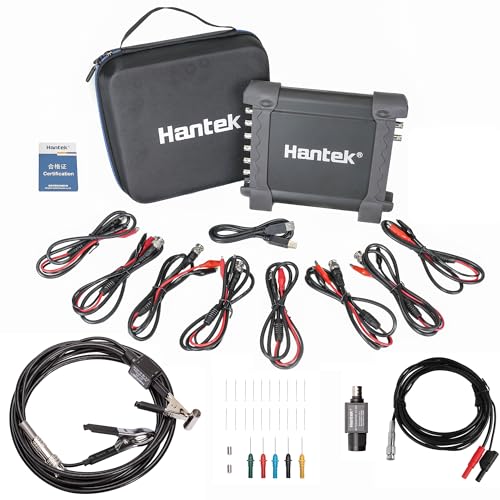
- 8 analog channels with PC USB operation
- 80+ automotive diagnostic functions included
- Programmable generator simulates crank and cam signals
Best For: workshop diagnostics needing many channels and automotive-focused tools
Compact Entry-Level Scope
FNIRSI DSO152 Pocket Oscilloscope

- 2.5 MS/s sampling with 200 kHz bandwidth
- One-key AUTO and full trigger modes
- Pocket handheld design with Type-C charging
Best For: basic automotive signal checks and portable learning
Field Manual Pick
Automotive Lab Scope Basics for Waveform Diagnostics

- Known-good captures for ignition, injectors, and sensors
- Practical setup help for low-cost USB lab scopes
- Includes CAN, LIN, compression, and ripple testing
Best For: DIYers and technicians who want a practical field guide for affordable scope-based diagnostics.
Workflow Guide
Mastering Automotive Oscilloscope Diagnostics

- Teaches stable waveform capture and interpretation
- Covers sensors, actuators, ignition, and fuel testing
- Built around a structured workshop diagnostic workflow
Best For: Technicians, auto electricians, and serious DIYers who want a practical workflow for reading waveforms and narrowing faults faster.
Practical Reference
Automotive Oscilloscope Diagnostics in Practice
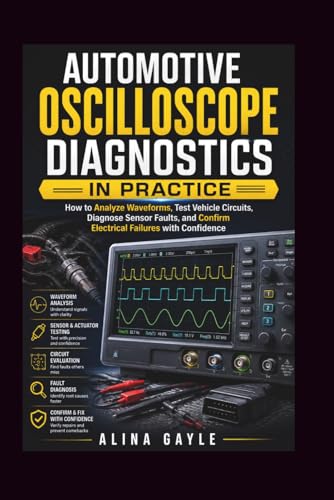
- Broad coverage of circuits, sensors, and fault tracing
- Structured approach to waveform analysis and troubleshooting
- Longer 285-page guide with more in-depth material
Best For: Technicians, students, and DIYers who want a broader practical framework for diagnosing electrical faults with a scope.
8-Channel Virtual Diagnostic Scope – Hantek 1008C PC USB 8CH Automotive Diagnostic Digital Oscilloscope
Hantek 1008C PC USB 8CH Automotive Diagnostic Digital Oscilloscope | DAQ/Programmable Generator
Check Price On AmazonIf you want automotive oscilloscopes for diagnostics that also handle general electronics work, the Hantek 1008C is built around an 8-channel virtual scope plus a programmable signal generator. It leans heavily into preset automotive diagnostic functions, so you can move quickly through ignition, sensor, bus, actuator, starting, and charging checks without starting from scratch.
Best For: Technicians, electricians, and hobbyists who want a Windows-based 8-channel diagnostic scope with built-in automotive presets.
Pros:
- 8 analogue channels with 12-bit resolution for multi-signal testing
- More than 80 automotive diagnostic functions included
- Programmable signal generator can simulate crankshaft and camshaft signals
- USB 2.0 transfer and PC software support for Windows use
Cons:
- Works only with Windows
- Requires a PC connection rather than being a standalone handheld unit
- Lower real-time sampling rate than higher-end bench scopes
Overall, this model makes sense if you value broad channel count and automotive-specific menus over portability. It is a practical entry point for guided diagnostics and basic signal simulation.
Handheld 3-in-1 Repair Tool – FNIRSI 2C53T Oscilloscope Multimeter
For buyers comparing automotive oscilloscopes for diagnostics, the FNIRSI 2C53T stands out because it combines a 2-channel oscilloscope, a multimeter, and a signal generator in one handheld unit. Its portable battery-powered design makes it useful for quick checks on the bench, in the shop, or in the vehicle.
Best For: Mobile technicians and hobbyists who want a compact all-in-one tester with oscilloscope, multimeter, and signal output.
Pros:
- 2-channel scope with 50 MHz bandwidth and 250 MSa/s sampling
- Includes a 19,999-count multimeter for voltage, current, resistance, and capacitance
- Built-in signal generator outputs 13 waveforms up to 50 kHz
- Battery-powered with Type-C charging and image save/export support
Cons:
- Only 2 channels, so it is less suitable for complex multi-signal comparison
- 1 Kpts record depth is relatively limited
- Smaller 2.8-inch screen may feel cramped for extended analysis
In practice, this is a flexible carry-anywhere tool for fast automotive and electronics troubleshooting. It is especially appealing if you want more than an oscilloscope without packing multiple separate instruments.
Four-Channel USB Diagnostic Scope – Hantek 6074BE 70MHz 4CH USB Diagnostic Oscilloscope
Hantek 6074BE Digital Oscilloscope 70MHz 1GSa/s 4CH USB Virtual Oscilloscope Diagnostic Tool
Check Price On AmazonIf you are shopping automotive oscilloscopes for diagnostics and want a stronger bench-style spec sheet, the Hantek 6074BE offers 4 channels, 70 MHz bandwidth, and 1 GSa/s real-time sampling. It is designed around preset diagnostic modes for ignition, sensors, engine starting, and charging, which makes it easier to get useful results quickly.
Best For: Users who want a Windows-based 4-channel diagnostic scope with broad measurement and replay features.
Pros:
- 4 channels with 70 MHz bandwidth and 1 GSa/s sampling
- Supports over 80 diagnostic items with preset modes
- More than 20 automatic measurements plus PASS/FAIL checking
- Includes multimeter, oscilloscope, DMM, and waveform generator functions
Cons:
- Requires a compatible Windows system
- Virtual USB design is less portable than a standalone handheld unit
- Setup depends on using the connected software environment
This model is a good fit when you want more speed and channel flexibility than an entry-level USB scope. Its diagnostic presets and measurement tools make it useful for structured troubleshooting.
Android Handheld Diagnostic Scope – Micsig SATO1004 Portable Automotive Oscilloscope
The Micsig SATO1004 is aimed at users who want automotive oscilloscopes for diagnostics in a handheld format with modern software features. It runs Android, adds physical buttons, and supports remote operation through a smartphone app when networking is available, which can make workflow smoother in active shop environments.
Best For: Technicians who want a portable 4-channel automotive scope with touchscreen control and wireless workflow options.
Pros:
- 4 channels with 100 MHz bandwidth and 1 GSa/s sampling
- Supports ignition, sensors, actuators, charging, starter, and network tests
- Android-based interface with physical buttons and optimized diagnostic software
- 32 GB internal storage for waveforms, screenshots, and recorded videos
Cons:
- Wireless remote features depend on a stable network connection
- More advanced interface may be more than casual users need
- Battery-powered design still depends on charging and runtime management
For buyers who prioritize portability plus modern usability, this is one of the more feature-rich options in the category. It is especially appealing if you want on-device storage and multiple connectivity options in the field.
Portable 2-in-1 Test Tool – FNIRSI 2C53P Handheld Scope
If you want automotive oscilloscopes for diagnostics in a compact all-in-one format, the FNIRSI 2C53P blends a 2-channel oscilloscope, multimeter, and DDS signal generator into one handheld tool. Its 250 MS/s sampling rate, 50 MHz bandwidth, and 4.3-inch IPS touch screen make it a practical pick for basic vehicle signal checks, quick electrical testing, and on-the-go troubleshooting.
Best For: Technicians and DIY users who want a portable scope-multimeter combo for general automotive electrical diagnostics.
Pros:
- Combines a 2-channel oscilloscope, 19999-count multimeter, and DDS signal generator
- 250 MS/s sampling rate with 50 MHz bandwidth for broad general-use signal viewing
- One-key AUTO plus automatic, normal, and single trigger modes simplify operation
- X-Y mode and FFT spectrum analysis add extra signal analysis options
Cons:
- Only 2 channels, so it is less expandable than multi-channel PC systems
- Built-in battery is rated for about 4 hours, which may limit long sessions
- Best suited to general diagnostics rather than highly specialized automotive workflows
Overall, the 2C53P is a versatile handheld choice when you want a feature-rich diagnostic tool without carrying separate instruments. It stands out most for convenience and all-in-one flexibility.
PC-Based Multi-Channel Suite – Hantek 1008C 8CH Automotive Scope
For automotive oscilloscopes for diagnostics that emphasize breadth over portability, the Hantek 1008C is a PC USB-based 8-channel system with dedicated automotive functions and general oscilloscope tools. It includes more than 80 automotive diagnostic functions, 8 analogue channels, and a programmable signal generator, making it a strong fit for deeper system checks in a workshop setting.
Best For: Workshop users who need an 8-channel PC oscilloscope with extensive automotive diagnostic functions.
Pros:
- 8 analogue channels support multi-signal testing in automotive systems
- More than 80 automotive diagnostic functions cover ignition, sensors, bus detection, and more
- Programmable signal generator can simulate crankshaft and camshaft signals
- 20 automatic measurement modes help make signal readings faster and easier
Cons:
- Requires a Windows PC and USB connection for operation
- 2.4MSa/s real-time sampling rate is lower than handheld scopes with higher-speed specs
- PC-based setup is less convenient for mobile roadside use
This model is best viewed as a diagnostic workstation tool rather than a grab-and-go handheld scope. If your priority is channel count and built-in automotive functions, it offers a lot of capability for the category.
Compact Entry-Level Scope – FNIRSI DSO152 Pocket Oscilloscope
If you are comparing automotive oscilloscopes for diagnostics and want a small, easy-to-carry option, the FNIRSI DSO152 focuses on straightforward waveform viewing and quick setup. It offers a 2.5 MS/s sampling rate, 200 kHz bandwidth, full trigger modes, and one-key AUTO, which makes it useful for simple vehicle electrical checks and learning basic signal behavior.
Best For: Users who want a very portable oscilloscope for basic automotive signal inspection and learning.
Pros:
- Pocket-sized handheld design is easy to carry and use immediately
- Full trigger modes and one-key AUTO simplify setup
- 10x probe can measure up to 800 VPP, with support for voltages up to 400 V
- Type-C charging and firmware upgrade support add convenience
Cons:
- 200 kHz bandwidth is modest compared with higher-end diagnostic scopes
- Single-channel handheld format limits more advanced multi-signal testing
- Smaller 2.8-inch display offers less workspace than larger-screen models
As an entry-level portable tool, the DSO152 is geared toward simple, fast checks rather than complex workshop diagnostics. It is a sensible pick when portability and ease of use matter more than advanced channel count or bandwidth.
Field Manual Pick – Automotive Lab Scope Basics for Waveform Diagnostics
If you want automotive oscilloscopes for diagnostics that get straight to the point, this manual focuses on known-good captures and real-world waveform reading instead of theory-heavy explanations. It is built around practical recipes for ignition, injectors, CKP/CMP, relative compression, CAN, LIN, and alternator ripple testing, with setup guidance for affordable USB scopes.
Best For: DIYers and technicians who want a practical field guide for affordable scope-based diagnostics.
Pros:
- Explains scope setup, trigger settings, and waveform analysis in a simple way.
- Covers ignition, fuel, sensor, network bus, and charging-system testing.
- Includes known-good capture examples and numeric reference values.
- Targets sub-$200 USB lab scopes like Picoscope 2204A and Hantek 1008C.
Cons:
- Only 82 pages, so it is more of a quick-reference manual than a deep textbook.
- Focuses on selected diagnostic areas rather than broad vehicle-system coverage.
Overall, this is a solid choice if you want a hands-on introduction to scope diagnostics with clear, usable examples. It is especially useful when you need to stop guessing and start comparing real waveforms against known-good captures.
Workflow Guide – Mastering Automotive Oscilloscope Diagnostics
For buyers comparing automotive oscilloscopes for diagnostics support material, this guide is aimed at building confidence with waveform analysis and fast fault detection. It emphasizes clean captures, sensor and actuator testing, and a structured workflow so you can make better decisions in real workshop conditions.
Best For: Technicians, auto electricians, and serious DIYers who want a practical workflow for reading waveforms and narrowing faults faster.
Pros:
- Focuses on capturing stable waveforms and interpreting them correctly.
- Covers sensors, actuators, ignition, fuel, and engine performance diagnostics.
- Explains how to compare known-good and faulty signals.
- Written for workshop use, with an emphasis on step-by-step application.
Cons:
- At 82 pages, it is concise rather than exhaustive.
- Provides broad practical guidance, but not the ultra-specific capture recipes of a niche manual.
This is a good fit if you want a straightforward guide that helps you use a scope more like a diagnostic process tool than a general measurement device. Its strength is the clear workflow, which is valuable when you need faster, more consistent fault isolation.
Practical Reference – Automotive Oscilloscope Diagnostics in Practice
If you need automotive oscilloscopes for diagnostics guidance that feels broad but still practical, this book focuses on waveform analysis, vehicle circuit testing, and sensor evaluation in a structured format. It starts with automotive electronics basics and moves into real fault-finding methods for power, ground, ignition, injector, and control circuits.
Best For: Technicians, students, and DIYers who want a broader practical framework for diagnosing electrical faults with a scope.
Pros:
- Covers a wide range of circuits, from power and ground to ignition and injectors.
- Includes crankshaft, camshaft, oxygen, airflow, temperature, and pressure sensor testing.
- Designed around structured diagnostic reasoning rather than parts replacement.
- Longer than the other picks, with 285 pages for more in-depth coverage.
Cons:
- Less focused on quick-reference capture recipes than a shorter field manual.
- May feel broader than needed if you only want a few specific scope tests.
As a practical diagnostic reference, this title stands out for its wider scope and emphasis on methodical troubleshooting. It is a strong option if you want more room to learn how waveform analysis fits into everyday electrical diagnosis.
How We Picked These Automotive Oscilloscopes for Diagnostics
We prioritized real-world diagnostic usefulness over spec-sheet hype. That means usable channel count, sufficient bandwidth and sample rate for common vehicle signals, stable software or onboard controls, and accessories that help with everyday testing. Portability, setup time, and the learning curve also matter, especially for technicians who need fast results in the bay.
We also considered whether a tool is better suited to experienced users, beginners, or mixed diagnostic work. A scope that looks impressive on paper is not useful if it is slow to configure or hard to interpret during an active repair.
Quick Comparison: What Matters Most
For Automotive Oscilloscopes for Diagnostics, the main trade-offs are usually channel count, portability, and analysis depth. USB scopes often give you more channels and better value, while handheld models offer easier grab-and-go use. Basic entry-level tools can still handle many common checks, but advanced diagnosis of crank, cam, ignition, and network-related signals benefits from higher sampling performance and cleaner software.
Channel Count
Two channels work for many tests, but four or more channels make it easier to compare related signals like crank and cam or multiple injectors at once.
Bandwidth and Sample Rate
Higher bandwidth and faster sampling help capture sharper transitions and more detail, which is useful for ignition and fast-changing digital signals.
Portability and Software
Handheld scopes are convenient in tight spaces. PC scopes usually offer larger displays and better analysis tools, but they depend on a laptop or tablet.
Key Buying Factors for Automotive Oscilloscopes for Diagnostics
Start with the problems you solve most often. If you frequently test sensors, actuators, and powertrain signals, a multichannel scope is usually the better investment. If you mainly need quick confirmation checks, a compact handheld option may be enough.
Look for durable probes, solid ground leads, and software that makes waveform capture, zooming, and measurement simple. Good waveform visibility is more important than raw frequency numbers alone. For vehicle work, you want a scope that makes known-good comparisons easy and repeatable.
It also helps to think about workflow. Do you prefer a laptop-based setup in a service bay, or a self-contained tool you can carry to the vehicle? The right choice depends on whether you value screen size, speed, portability, or deeper analysis.
Who Should Buy Which Automotive Oscilloscopes for Diagnostics?
DIY beginners: Choose a simpler, lower-cost scope or a multifunction handheld model if you want an approachable way to learn waveforms without a steep setup process.
Mobile technicians: A handheld oscilloscope is often the best fit because it is fast to deploy and easy to use on the road.
Shop professionals: A PC USB scope with multiple channels is usually the strongest option for advanced automotive oscilloscope diagnostics, especially when comparing several signals at once.
Learn-as-you-go buyers: Pairing a scope with a good waveform reference guide can shorten the learning curve and improve confidence when interpreting patterns in the field.