The right orbital sander can make automotive paint preparation faster, smoother, and easier to control. This roundup compares 10 options across pneumatic, corded-electric, brushless, full-size, and compact designs.
Whether you are feathering body filler, removing old finish, smoothing primer, or polishing tight areas, the best choice depends on air capacity, pad size, orbit, ergonomics, and the finish you need.
Best 10 Orbital Sanders for Automotive Work Picks for 2026
Professional Pneumatic Pick
3M 20317 5-Inch Random Orbital Sander
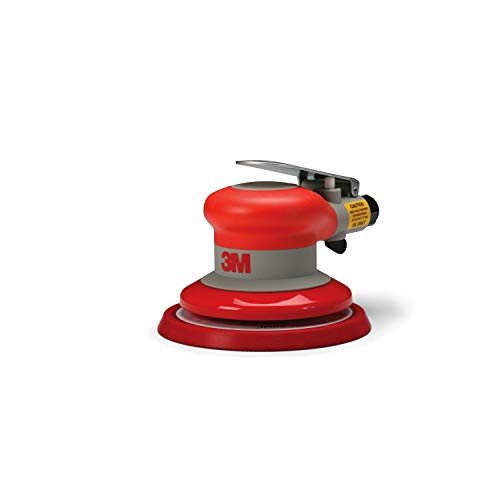
- 0.28 HP motor reaches 12,000 RPM
- Balanced aluminum and composite construction
- Uses adhesive-backed 3M Stikit discs
Best For: Professional automotive and industrial sanding
Garage-Ready Kit Pick

- Regulator adjusts speed from 2,500–12,000 RPM
- Palm-sized pneumatic design with cushioned grip
- Includes pad, sponge system, cloths, and fittings
Best For: Garage refinishing and automotive detailing
Electric Dust-Control Pick
Brushless 5mm Random Orbital Sander

- 350W brushless motor with six speed settings
- Accepts 5- and 6-inch pads
- Includes vacuum hose and dust-extraction fittings
Best For: Corded automotive sanding with dust collection
Lightweight 6-Inch Pick
Ingersoll Rand 300G Air Sander

- Lightweight 1.9-pound pneumatic body
- 6-inch pad with 10,000 RPM maximum speed
- Swivel adapter supports compatible vacuum systems
Best For: Automotive body prep and fine finishing
Best Corded Control
DEWALT DWE6423 5-Inch Random Orbit Sander

- Variable 8,000–12,000 OPM motor
- Counterweight design helps reduce vibration
- Dust port supports DEWALT collectors
Best For: Corded garage and workshop sanding
Best Pneumatic Palm Sander
6-Inch Professional Air Random Orbital Sander

- 6-inch pad for broader coverage
- Low-vibration, low-center-of-gravity design
- Lightweight for vertical and overhead work
Best For: Air-equipped automotive workshops
Best for Detail Sanding
Mini Pneumatic Auto Body Sander Kit
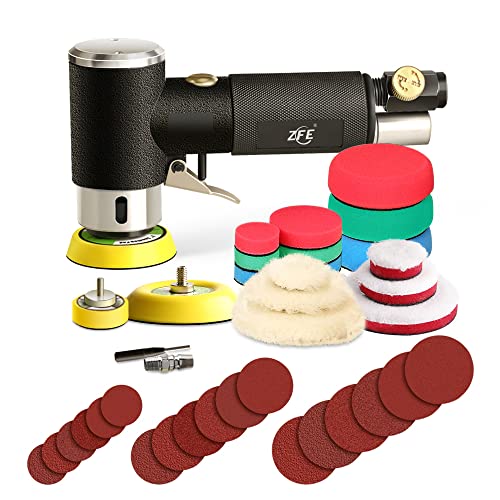
- 1-, 2-, and 3-inch pad options
- Includes pads, sandpapers, and backing plates
- 15,000-rpm eccentric polishing action
Best For: Spot repairs, rust removal, and automotive detailing
Versatile Pneumatic Pick
ZFE 5/6-Inch Random Orbital Sander

- 5- and 6-inch backing plates included
- Up to 10,000 rpm with speed control
- Includes sanding, polishing, and dust-collection accessories
Best For: Multi-stage sanding and polishing on automotive and metal surfaces
Efficient Air-Powered Option

- Dual-action motion for sanding and polishing
- 5-inch hook-and-loop pad
- 8 CFM air consumption with adjustable speed
Best For: Routine auto-body preparation and finishing with standard 5-inch discs
Auto-Body Kit Choice
5-Inch Pneumatic Sander with Pads

- Includes ten 120-grit sheets and ten wheels
- 10,000 rpm speed with a 3/16-inch orbit
- Designed for several hours of continuous use
Best For: Car repair users needing a supplied sanding and polishing starter kit
Professional Pneumatic Pick – 3M 20317 5-Inch Random Orbital Sander
For shops seeking orbital sanders for automotive work, the 3M 20317 is a compact pneumatic option designed for continuous sanding and finishing. Its 0.28 HP motor, 12,000 RPM maximum speed, balanced construction, and 3/16-inch orbit suit metal, composites, and refinishing tasks when paired with an adequate air supply.
Best For: Professional automotive and industrial users who prefer adhesive-backed Stikit discs and pneumatic power.
Pros:
- Powerful 0.28 HP motor with up to 12,000 RPM.
- Precision-balanced, low-profile design supports control and comfort.
- Durable aluminum body and composite cover.
- Includes a 3M Stikit disc pad for adhesive-backed discs.
Cons:
- Requires a compressed-air setup.
- Non-vacuum design does not include integrated dust extraction.
- Listed for industrial or occupational use rather than consumer use.
The 3M 20317 is a strong choice for demanding shop environments where durability, steady pneumatic performance, and Stikit disc compatibility matter more than cordless convenience.
Garage-Ready Kit Pick – 5-Inch Air Dual Action Sander
This 5-inch air sander is a practical choice among orbital sanders for automotive work when you want adjustable speed and useful detailing accessories in one package. Its built-in regulator varies speed from 2,500 to 12,000 RPM, while the compact palm design supports controlled sanding during automotive refinishing and surface preparation.
Best For: Garage users handling automotive refinishing, metal preparation, detailing, and occasional woodworking.
Pros:
- Adjustable 2,500–12,000 RPM speed range.
- Compact palm grip with a precision-balanced pneumatic motor.
- Includes a 5-inch hook-and-loop pad and accessory kit.
- Designed for automotive refinishing, metal, wood, and compound-related work.
Cons:
- Requires a compressed-air source.
- At 3.1 pounds, it is heavier than some compact pneumatic sanders.
- The supplied notes do not specify an integrated dust-extraction system.
Its speed control and broad accessory package make this a flexible garage tool, particularly for buyers who want one air-powered sander for prep work and detailing-related tasks.
Electric Dust-Control Pick – Brushless 5mm Random Orbital Sander
For buyers comparing orbital sanders for automotive work without a compressor, this corded brushless model offers a 350W electric motor, six speed settings, and a maximum 10,000 RPM. Its 5mm eccentric design is intended to provide cutting power while the vacuum port, hose, and porous pad support dust collection.
Best For: DIYers and professionals who need a corded electric sander for automotive rust removal, polishing, and mixed-material projects.
Pros:
- Brushless motor is designed for longer service life.
- Interchangeable 5- and 6-inch sanding pads.
- Built-in vacuum port, hose, and universal connector support dust extraction.
- Includes sanding papers and a 9.8-foot cable.
Cons:
- Corded operation limits mobility compared with pneumatic or cordless tools.
- Weighs 4.5 pounds, which may increase fatigue during extended use.
- Maximum speed is 10,000 RPM, below the pneumatic models listed here.
This model stands out for electric convenience and included dust-management components. The interchangeable pad sizes also add flexibility for automotive and general workshop jobs.
Lightweight 6-Inch Pick – Ingersoll Rand 300G Air Sander
The Ingersoll Rand 300G is a lightweight 6-inch pneumatic option for orbital sanders for automotive work, especially surface preparation, feather edging, and rust removal. Its 0.20 HP motor reaches 10,000 RPM, and the low-vibration body with contoured grip is designed for controlled, comfortable operation.
Best For: Automotive body work and fine finishing where a larger 6-inch pad and continuous air power are useful.
Pros:
- Lightweight 1.9-pound body improves maneuverability.
- 6-inch pad covers more surface area than a 5-inch model.
- Low-vibration design, contoured grip, and diffused rear exhaust support comfort.
- 360-degree swivel vacuum adapter can connect to a compatible system.
Cons:
- Requires an air compressor, which is not included.
- Maximum speed is 10,000 RPM.
- Vacuum equipment must be connected separately.
The 300G is a sensible shop-oriented choice when low weight and a 6-inch working pad are priorities. Its pneumatic design is well suited to continuous automotive prep and finishing work.
Best Corded Control – DEWALT DWE6423 5-Inch Random Orbit Sander
DEWALT Random Orbit Sander, Variable Speed, 5-Inch (DWE6423), Power Source Corded Electric
Check Price On AmazonFor automotive work that calls for consistent speed control and a compact corded tool, the DEWALT DWE6423 is a practical choice among orbital sanders for automotive work. Its 3-amp motor delivers variable speeds from 8,000 to 12,000 OPM, while the shorter body and rubber overmold grip help with control around workpieces.
Best For: Corded garage and workshop sanding where variable speed, reduced vibration, and dust collection matter.
Pros:
- Variable 8,000–12,000 OPM speed range for adapting to different sanding tasks.
- Separate counterweight design helps reduce vibration during extended use.
- Dust port fits DWV010 and DWV012 collectors, with an option for other 1-1/4-inch hoses using the DWV9000 connector.
- Compact 3.4-pound design with a rubber overmold grip and shorter height.
Cons:
- Corded electric operation requires access to an outlet.
- The included dust collection setup is centered on the supplied dust bag and compatible DEWALT accessories.
This sander is a strong fit when you want a familiar 5-inch format, adjustable speed, and vibration-conscious handling without relying on batteries or an air compressor.
Best Pneumatic Palm Sander – 6-Inch Professional Air Random Orbital Sander
Shops with a capable air supply may prefer this 6-inch pneumatic model for automotive panels and larger sanding areas. Among orbital sanders for automotive work, its low-vibration, low-center-of-gravity design and 12,000-rpm air motor are aimed at controlled, swirl-free finishing.
Best For: Air-equipped workshops handling vertical, overhead, and larger automotive sanding jobs.
Pros:
- 6-inch sanding pad covers more area than a 5-inch model.
- Low-vibration, low-center-of-gravity construction supports control.
- Lightweight 1 kg air-motor assembly is suited to vertical and overhead sanding.
- Heat-treated cast-steel cylinder is designed for strength and durability.
Cons:
- Requires an air compressor and suitable pneumatic setup.
- The larger 6-inch pad may be less convenient for tight spot repairs.
Choose this pneumatic sander when coverage and maneuverability in an air-powered shop are more important than the plug-and-play simplicity of a corded electric tool.
Best for Detail Sanding – Mini Pneumatic Auto Body Sander Kit
For small repairs, rust spots, and detailing, this compact pneumatic kit stands out among orbital sanders for automotive work. It includes multiple backing plates, polishing pads, and sandpapers, while its 15,000-rpm eccentric double-rotation design is intended to create a smooth, even finish.
Best For: Spot sanding, automotive detailing, rust removal, and polishing in tight focus areas.
Pros:
- Includes 15 buffing pads, 18 sandpapers, and three backing plates.
- Supports 1-, 2-, and 3-inch pad configurations for different detail tasks.
- 15,000-rpm operation and eccentric double rotation target smooth, uniform polishing.
- Compact design is suited to solder joints, rust spots, deburring, and auto detailing.
Cons:
- Air-powered operation requires a compressor and hose setup.
- Its mini format is better suited to focused areas than broad panel sanding.
- The supplied accessories may require selecting the appropriate pad and disc for each task.
This is the most task-specific option here: a useful choice for detailers and bodywork users who need flexible small-pad sanding and polishing rather than maximum panel coverage.
Versatile Pneumatic Pick – ZFE 5/6-Inch Random Orbital Sander
For automotive projects that involve paint preparation, metal cleanup, or polishing, this pneumatic random orbital sander offers flexible sizing and a useful accessory bundle. It includes both 5- and 6-inch backing plates, operates at up to 10,000 rpm, and has an integrated speed regulator for control during different tasks.
Best For: Automotive users who want one air-powered sander for sanding, deburring, derusting, and polishing.
Pros:
- Includes 5- and 6-inch backing plates for added versatility.
- Lightweight 1.5-pound palm design is intended to reduce fatigue.
- Comes with sandpapers, polishing pads, microfiber cloths, and a dust-collection tube and bag.
- Steel movement and a speed control reaching 10,000 rpm support demanding workshop use.
Cons:
- Requires an air compressor rather than operating from a battery or wall outlet.
- The included dust bag and tube may be less convenient than a dedicated shop-vac setup.
This is a practical choice among orbital sanders for automotive work when accessory flexibility matters. Its multiple backing plates and polishing extras make it suitable for moving between surface prep and finishing, though buyers should plan for pneumatic-tool requirements.
Efficient Air-Powered Option – 5-Inch 10,000 RPM Palm Sander
This 5-inch pneumatic sander is a straightforward option for automotive surface preparation and finishing. Its dual-action random-orbit motion is designed to help produce a swirl-free finish, while the adjustable 10,000 rpm motor and standard hook-and-loop pad support quick changes between discs.
Best For: Auto-body prep, furniture work, and metal sanding where a lightweight 5-inch air sander is preferred.
Pros:
- Dual-action design supports sanding and polishing with reduced swirl patterns.
- Standard 5-inch hook-and-loop pad accepts commonly sized discs.
- Lightweight palm-grip housing is designed for comfort and vibration dampening.
- Uses a 1/4-inch air inlet and lists 8 CFM air consumption.
Cons:
- Requires a compatible air compressor.
- Only a 5-inch pad is included, limiting size flexibility compared with multi-plate kits.
- The supplied details do not list included sandpaper or polishing accessories.
For shoppers comparing orbital sanders for automotive work, this model keeps the setup simple: a 5-inch hook-and-loop pad, adjustable pneumatic power, and a compact palm form. It is a sensible fit for users who already have an air supply and do not need a large accessory package.
Auto-Body Kit Choice – 5-Inch Pneumatic Sander with Pads
Designed specifically for auto-body work, this 5-inch air random orbital sander combines a 10,000 rpm free speed with a starter supply of sanding and polishing materials. Its 3/16-inch orbit is suited to general surface sanding, and the semi-industrial design is described as capable of continuous use for several hours with an adequately sized compressor.
Best For: Car repair and furniture projects requiring extended sanding and included polishing accessories.
Pros:
- Includes ten 120-grit sandpapers plus ten sanding or polishing wheels.
- 10,000 rpm free speed and a 3/16-inch orbit suit general sanding tasks.
- Semi-industrial construction is intended for several hours of continuous use.
- Can accept a 6-inch or PSA backing pad if purchased separately.
Cons:
- Continuous use calls for substantial air capacity: the notes specify 12 CFM and a compressor of at least 3-1/2 kW or 100 L.
- Additional 6-inch and PSA pads are not included.
- The included sandpaper is 120 grit, so other grits may need to be purchased separately.
This kit stands out among orbital sanders for automotive work because it includes consumables and polishing wheels from the start. It is particularly appealing for car repair users who can meet its higher air-demand requirements and want a tool intended for longer sessions.
How We Picked the Best Orbital Sanders for Automotive Work
We focused on tools suited to common automotive tasks such as sanding body filler, feathering repairs, preparing primer, smoothing clear coat, and light polishing. The selection includes pneumatic sanders for shop compressors, corded models for consistent power, electric brushless designs, and compact tools for spot repairs.
We also considered pad diameter, orbit size, variable-speed control, vibration management, included accessories, and the likely needs of DIY users versus professional technicians. Product specifications and kit contents can vary, so confirm the listing details before buying.
Quick Comparison
| Type | Best suited for | Main advantage | Watch for |
|---|---|---|---|
| Pneumatic 5- or 6-inch | Frequent bodywork | Lightweight, continuous shop use | Compressor airflow requirements |
| Corded electric | Home garages and occasional repairs | No compressor needed | Power cord and motor heat |
| Brushless electric | Portable prep and finishing | Efficient motor and cordless convenience | Battery runtime and kit cost |
| Mini pneumatic | Spot repairs and narrow areas | Precise access | Smaller coverage area |
Key Buying Factors for Orbital Sanders for Automotive Work
Air Supply and Power
Pneumatic sanders are popular in professional shops because they are relatively light and can run continuously. Check the tool’s required CFM at its stated PSI and compare it with your compressor’s delivered CFM, not merely its tank size. An undersized compressor can cause speed drop-offs and inconsistent results.
Pad Size and Orbit
Five-inch pads are versatile for panels, repairs, and general preparation. Six-inch models cover more surface per pass and can be efficient on large panels, but they may feel less nimble in tight spaces. A larger orbit removes material faster; a smaller orbit generally offers more controlled finishing.
Speed, Vibration, and Dust
Variable speed helps you reduce aggression near edges, body lines, and delicate finishes. Low vibration improves control during long sessions and can reduce hand fatigue. For cleaner work, pair the sander with compatible dust extraction or use suitable automotive abrasives and respiratory protection.
Accessories and Backing Plates
Extra backing plates, sanding discs, polishing pads, and wool or foam accessories can add value, but quality matters more than quantity. Confirm the pad attachment system and choose abrasives matched to the material and stage of the repair.
Who Should Buy Which Orbital Sanders for Automotive Work?
Choose a five-inch pneumatic model if you already own a capable compressor and want a versatile everyday bodywork tool. A six-inch pneumatic sander is better for larger panels and faster coverage. Pick a corded electric model for straightforward garage use without compressor requirements, or a brushless electric option when portability is important.
For small dents, edges, and localized paint repairs, a mini pneumatic sander offers better access than a full-size tool. Beginners should prioritize variable speed, low vibration, readily available discs, and comfortable handling over maximum advertised RPM. Professionals should prioritize verified air consumption, durable construction, serviceability, and compatibility with their existing shop setup.